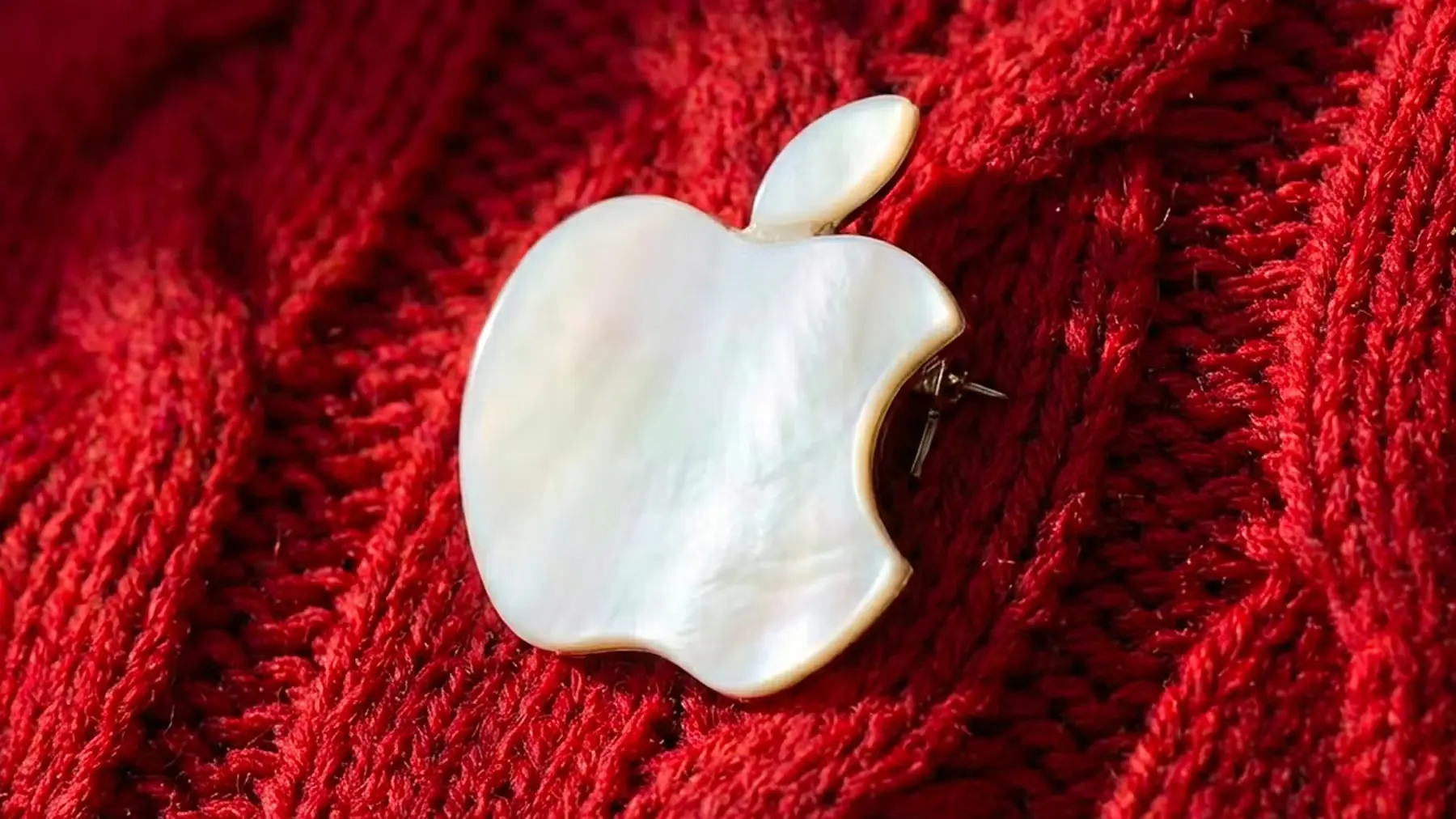
Apple’s long-promised AI transformation may not arrive all at once on the iPhone or Mac. Instead, it could unfold quietly across the company’s growing ecosystem of wearables—AirPods, Apple Watch, Vision Pro, and possibly an entirely new category: an AI-powered pin. Recent reports and industry signals suggest Apple is rethinking where AI lives on the body, and how its devices might work together to create something bigger than any single gadget.
At a time when nearly every major tech company is experimenting with AI wearables, Apple appears to be taking a slower, more modular approach. Rather than rushing out smart glasses or a flashy standalone device, the company may be laying groundwork through accessories people already use every day.
The rise of AI wearables—and Apple’s dilemma
AI wearables are suddenly everywhere, but they don’t look anything alike. Meta has already pushed AI glasses into the mainstream, Google is preparing to return to the category with Gemini-powered eyewear, and OpenAI’s mysterious hardware project with Jony Ive has fueled speculation about an entirely new form factor. Meanwhile, startups like Plaud and Humane have experimented with AI pins and pendants designed to clip onto clothing.
Apple, however, is in a unique position. It already dominates the wearable market through Apple Watch and AirPods, yet none of its products currently have an outward-facing camera designed for continuous environmental awareness. That matters because modern AI is no longer just about responding to voice commands—it’s about seeing the world, understanding context, and offering real-time assistance.
According to reports from *The Information*, Apple is exploring a small AI pin roughly the size of an AirTag, equipped with its own camera. The idea isn’t to replace existing Apple devices, but to fill a missing sensory gap.
Why cameras change everything for AI
Cameras are quickly becoming the most important ingredient in next-generation AI experiences. Voice-only assistants can answer questions, but camera-assisted AI can identify objects, read signs, interpret surroundings, and offer situational guidance. That’s why smart glasses have gained momentum: placing a camera near the eyes creates a natural link between what you see and what the AI understands.
But glasses come with major challenges—battery life, comfort, cost, and prescription support among them. A pin or pendant offers a workaround. It allows AI to “see” the world without forcing users to wear eyewear all day. Several companies have tried this approach before, with mixed results, but Apple could make it more compelling by integrating it tightly with its existing ecosystem.
AirPods and gestures: more than just audio
One of the more intriguing pieces of the puzzle is AirPods. Multiple reports suggest that upcoming AirPods Pro models could include infrared cameras capable of detecting hand gestures. On the surface, that might sound excessive for earbuds—but it makes much more sense when viewed through an AI lens.
Gestures could become a natural way to interact with AI without screens, similar to what Meta is attempting with its neural wristband. Combined with voice input and environmental awareness from a camera-equipped pin, AirPods could become a core interface for a display-free AI experience. No glasses required.
Apple Watch already supports subtle gesture controls like taps and wrist movements, further reinforcing the idea that Apple is building an interaction language across multiple wearables rather than betting everything on one device.
A stepping stone to smart glasses?
Many observers see the rumored AI pin as a stepping stone rather than a destination. Apple has long-term ambitions in spatial computing, as evidenced by Vision Pro. Smart glasses with displays could eventually become a lighter, more socially acceptable evolution of that platform—but the technology isn’t quite ready yet.
Battery life remains a major obstacle. Most smart glasses struggle to last a full day, and adding displays only makes the problem harder. Apple, known for prioritizing polish and usability, may prefer to wait until it can deliver glasses that truly meet its standards.
In the meantime, accessories like pins, AirPods, and Watches could establish the behaviors, interactions, and use cases that glasses will later inherit.
The role of Siri and the Google partnership
Hardware alone won’t make Apple’s AI ambitions succeed. Software matters just as much, if not more. After a lukewarm reception to Apple Intelligence, expectations are rising for a major overhaul of Siri.
According to Bloomberg’s Mark Gurman, Siri is being rebuilt as a generative AI chatbot—something far more conversational and context-aware than today’s assistant. Apple’s reported AI partnership with Google, leveraging Gemini, could accelerate this transformation.
Gemini already supports live, camera-assisted AI experiences, which Google and Samsung are expected to showcase on upcoming smart glasses. If Apple integrates similar capabilities into Siri, those features could extend across Vision Pro, wearables, and any future AI hardware Apple releases.
An ecosystem-first approach to AI
What makes Apple’s strategy different is its focus on interconnected products. Rather than asking users to adopt a single all-in-one AI device, Apple may distribute intelligence across multiple accessories that already work together.
In this vision, an AI pin provides environmental awareness, AirPods handle audio and gestures, Apple Watch offers quick controls and biometric context, and the iPhone or Vision Pro handles heavier processing and visualization when needed. Each device plays a role, and none has to do everything.
This approach also keeps costs lower and avoids forcing users into unfamiliar form factors. A pin, while not universally appealing, would likely be cheaper and less complicated than smart glasses—and it sidesteps issues like prescription lenses altogether.
The lingering question: usefulness
Despite all the excitement, skepticism remains. AI pins have existed before, and many people didn’t enjoy wearing them. The challenge isn’t just technical—it’s about designing experiences that feel genuinely helpful rather than intrusive or gimmicky.
Even today, camera-enabled AI on glasses hasn’t consistently delivered “wow” moments. The potential is obvious, but compelling everyday use cases are still emerging. Apple will need to be especially thoughtful about what its AI actually does with all that visual information.
When will this all happen?
If reports are accurate, Apple’s AI pin wouldn’t arrive until around 2027, though an early preview could happen sooner. Apple has a history of teasing future products well ahead of release, as it did with Vision Pro, Apple Watch, and HomePod.
What’s clear is that Apple’s broader AI evolution is finally starting to take shape. Rather than chasing rivals head-on, Apple appears to be building quietly, weaving AI into its wearables piece by piece.
Whether that future AI lives on our faces, clipped to our clothes, or spread across multiple devices, Apple seems ready to enter the camera-enabled AI era—on its own terms. The real test will be whether it can define not just how we use AI, but why we’d want to wear it at all.