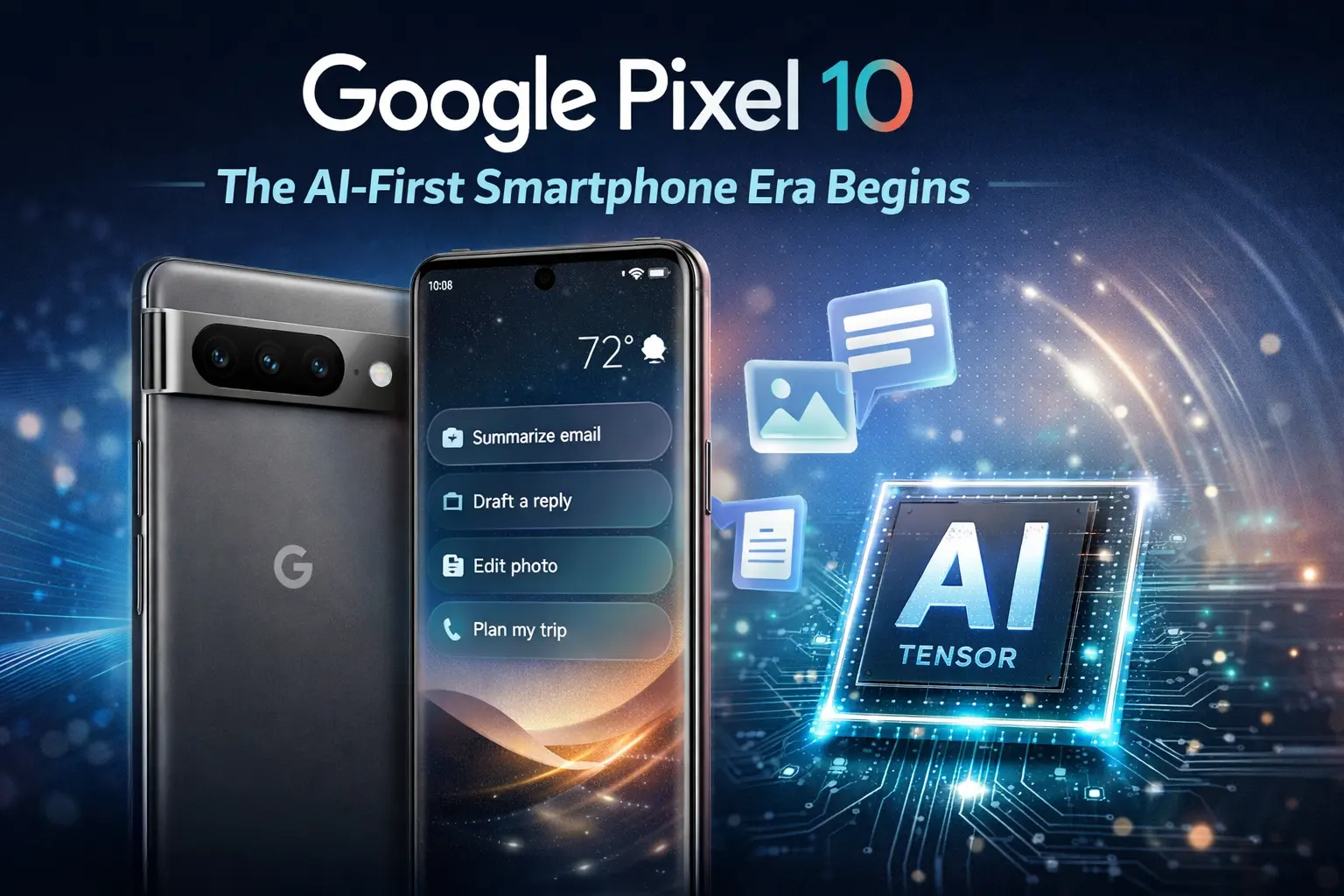
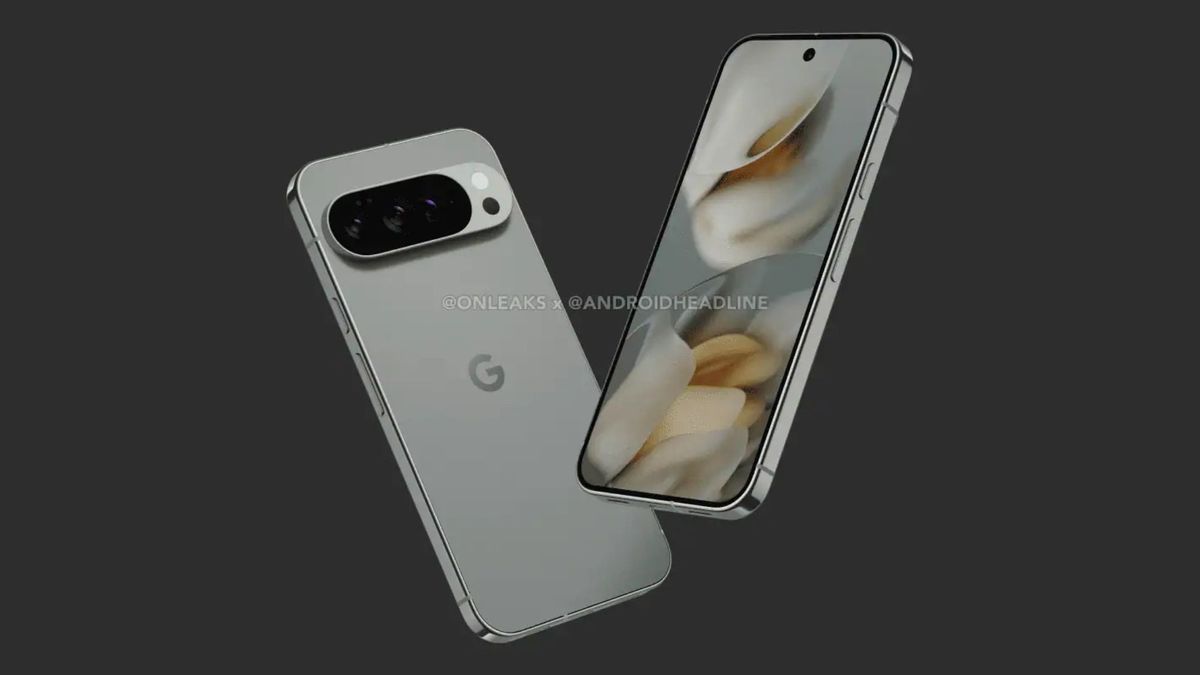
 For over a decade, smartphones have evolved through better cameras, sharper displays, and faster processors. Yet, in recent years, hardware improvements have started to feel incremental. The leap from one model to the next often brings refinement rather than reinvention. With the Google Pixel 10, Google appears to be attempting something more ambitious: shifting artificial intelligence from a background feature to the primary way users interact with their device.
Rather than positioning AI as an add-on, the Pixel 10 suggests a future where intelligence is the operating principle of the smartphone itself.
Moving Beyond the App Grid
Traditional smartphone interaction revolves around apps. Need to send a message? Open a messaging app. Want to edit a photo? Launch the gallery or a third-party editor. Searching for information? Switch between browser tabs. The process is functional but fragmented.
The Pixel 10 introduces a different model. Instead of navigating between apps, users can focus on outcomes. You describe what you want done — summarizing a conversation, drafting a response, refining an image, or extracting highlights from a long article — and the phone handles the workflow behind the scenes.
This represents a subtle yet powerful behavioral shift. The device becomes less of a collection of isolated applications and more of a centralized digital assistant capable of orchestrating tasks across platforms.
AI as the Core Interface
What differentiates this generation of Pixel from previous “smart” upgrades is integration. Earlier AI features on smartphones often felt like optional tools. They were impressive demonstrations but rarely changed daily habits.
With the Pixel 10, AI appears persistent and context-aware. It understands what you are working on across calls, emails, messages, and photos. For example:
- A missed call can be converted into a concise summary with suggested follow-up actions.
- A lengthy email thread can automatically transform into a brief overview before you finish reading.
- A cluttered set of notes can be structured into organized bullet points.
- A casual voice command can trigger multi-step actions without manual navigation.
This deeper integration reduces friction. The goal is not novelty but efficiency — minimizing cognitive load and saving time.
On-Device Intelligence and Privacy
One of the most significant technical foundations behind the Pixel 10’s AI-first strategy is on-device processing. Instead of depending solely on cloud-based computation, the phone leverages advanced local silicon to handle many AI tasks directly.
This offers three key advantages:
1. Speed and Responsiveness
Local processing reduces latency. AI responses feel immediate, without the lag that often accompanies cloud-dependent requests.
2. Reliability
On-device intelligence ensures functionality even in low-signal or offline environments. Core features remain usable without constant connectivity.
3. Enhanced Privacy
By minimizing data transmission to external servers, the Pixel 10 strengthens user trust. As AI becomes more deeply embedded in personal communications and content, privacy safeguards become increasingly critical.
These improvements transform AI from an experimental feature into a dependable daily utility.
Camera: Smarter Than Ever
Google’s Pixel lineup has long been known for computational photography, and the Pixel 10 builds on that reputation. While hardware sensors continue to improve, the real differentiation lies in AI-driven image processing.
Key camera innovations may include:
- Real-time scene optimization based on contextual understanding
- Automatic removal of distractions from backgrounds
- Advanced portrait refinement
- Intelligent video stabilization
- Instant summary clips generated from longer recordings
Rather than adjusting sliders manually, users can describe the desired outcome. For example: “Make this photo brighter and remove the people in the background.” The system interprets intent and applies edits conversationally.
This shift mirrors the broader philosophy of the device — moving from manual controls to intention-based commands.
Conversational Layer Over Software
The most intriguing aspect of the Pixel 10 is its conversational interface layer. Smartphones have historically required users to think in terms of software destinations. You open an app and perform tasks step by step.
The Pixel 10 reframes this model. You articulate what you want to accomplish, and the system determines which tools to use. It identifies where information resides and executes actions across apps seamlessly.
This design philosophy effectively transforms the smartphone from a launcher of programs into a mediator of intent. The difference may seem subtle, but it fundamentally changes how people engage with their devices.
Hardware That Enables Intelligence
While AI is central, the Pixel 10 does not ignore hardware. The device is expected to feature:
- A high-resolution OLED display with adaptive refresh rate
- Enhanced battery efficiency optimized for AI workloads
- A next-generation Tensor processor designed for machine learning tasks
- Refined camera sensors with improved low-light performance
- Advanced thermal management to sustain AI operations
However, unlike previous upgrade cycles, these improvements serve a larger purpose. The hardware is engineered not just for speed but for intelligent assistance.
Redefining Smartphone Differentiation
The broader smartphone market has reached maturity. Displays are vibrant, cameras rival professional equipment, and processors handle daily tasks effortlessly. As a result, differentiation based solely on megapixels or clock speed is no longer compelling.
The Pixel 10 introduces a new competitive metric: intelligence integration.
Instead of asking how powerful a device is, consumers may begin asking:
- How well does it anticipate my needs?
- How effectively does it reduce repetitive tasks?
- How seamlessly does it assist across contexts?
If AI becomes the defining interface layer, future smartphone innovation may revolve around behavioral transformation rather than hardware escalation.
Will Users Change Their Habits?
The ultimate success of the Pixel 10 will depend on adoption patterns. Behavioral change is notoriously difficult in technology. For years, users have relied on tapping, swiping, and navigating apps manually.
If users begin defaulting to conversational requests rather than app navigation, the shift will be meaningful. Instead of scrolling endlessly through messages, they may request summaries. Instead of manually editing photos, they may describe improvements. Instead of switching between apps, they may issue a single command that completes multiple steps.
If these habits form organically, the Pixel 10 could mark a turning point in smartphone design philosophy.
A Glimpse Into the AI-Native Future
The Google Pixel 10 does not simply add artificial intelligence to an existing formula. It attempts to restructure the relationship between user and device.
By placing AI at the center of interaction, emphasizing on-device processing, and layering a conversational interface above traditional apps, Google is testing what an AI-native smartphone truly looks like.
Whether it becomes the standard for future devices remains to be seen. However, one thing is clear: the next phase of smartphone evolution may not be defined by bigger screens or higher megapixels, but by how effortlessly our devices understand and execute our intentions.
If the Pixel 10 succeeds, it won’t just be another annual upgrade. It will represent a shift from tapping through apps to simply asking — and having the phone intelligently take care of the rest.